Shifting Dynamics of Provider-Driven Jackpot Triggers in Live Table Game Sessions on Mobile Platforms
Blake Schwarz · Sep 23, 2026
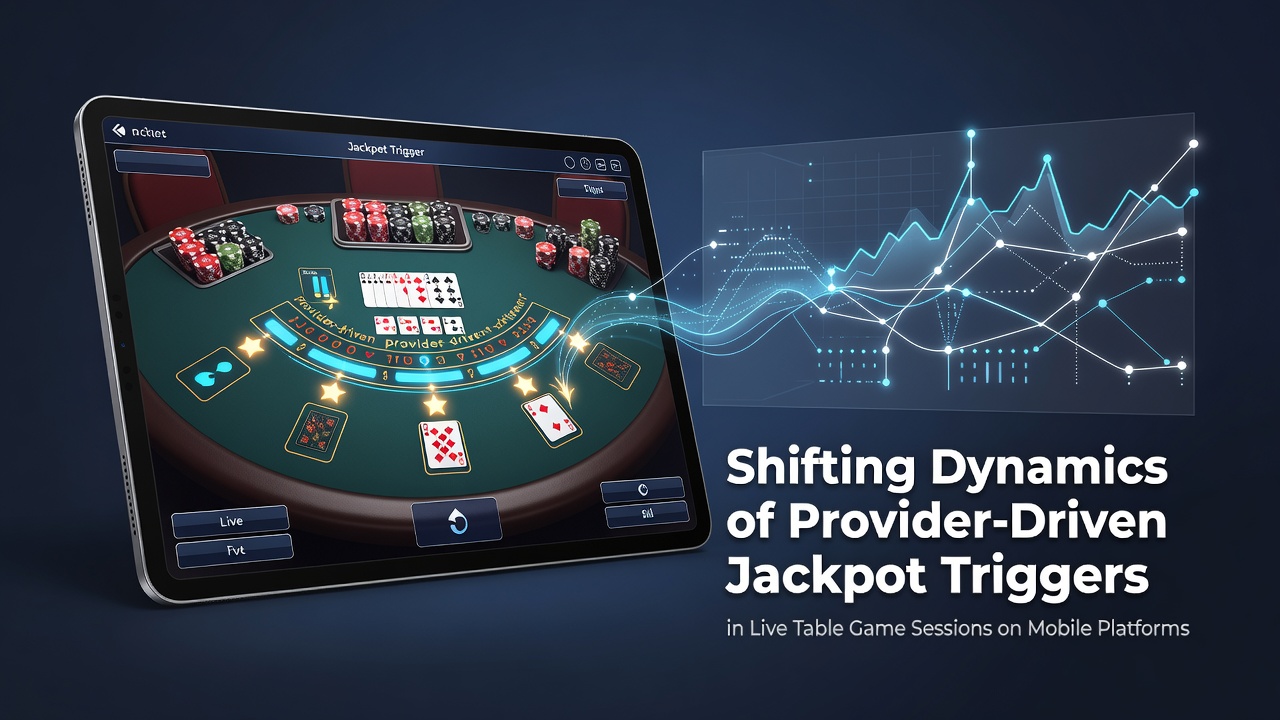
Shifting Dynamics of Provider-Driven Jackpot Triggers in Live Table Game Sessions on Mobile Platforms
Provider-driven jackpot triggers have evolved considerably in live table game sessions hosted on mobile platforms, where software developers rather than individual operators now control the timing, frequency, and payout mechanics of these features. Data from industry reports indicate that mobile live dealer games accounted for a growing share of jackpot activity across regulated markets in 2025, with provider systems integrating random number generators directly into streaming environments. Those who've examined platform logs note that these triggers often activate during specific betting rounds in games like blackjack or roulette, creating synchronized events across multiple users without requiring operator intervention.
Technical Integration of Jackpot Mechanisms
Software providers embed jackpot triggers into the core architecture of live table streams, using APIs that connect mobile client applications to centralized servers responsible for prize pool management. Research indicates that this setup allows real-time updates to jackpot values displayed on user screens, while algorithms determine eligibility based on bet size, game type, and session duration. Observers note that mobile platforms benefit from lower latency connections compared to desktop setups, which in turn supports faster trigger resolutions during peak hours. Figures reveal that several major providers introduced mobile-optimized trigger protocols by early 2026, resulting in measurable increases in participation rates documented in quarterly performance summaries.
Regulatory Frameworks Across Regions
European regulators have examined how provider-controlled systems affect transparency in jackpot distribution, particularly when mobile sessions span multiple jurisdictions. According to reports from the European Gaming and Betting Association, standardized reporting requirements now mandate detailed logs of trigger events to ensure compliance with fairness standards. In contrast, North American frameworks emphasize operator accountability even when providers manage the underlying mechanics, creating layered oversight models. Data shows that Australian authorities implemented similar guidelines in 2025, focusing on disclosure of trigger probabilities within mobile interfaces. These varied approaches highlight differences in how jurisdictions balance innovation with player protection measures.
Live table sessions on mobile often incorporate visual cues that signal impending jackpot triggers, such as animated overlays or audio alerts tied directly to provider software. Studies found that these elements appear more frequently in games using hybrid random and progressive models, where a portion of each wager contributes to a shared pool managed externally. Experts have observed that such integrations reduce the need for manual adjustments by operators, allowing sessions to maintain continuous play while the system handles prize allocations automatically. What's interesting is how this shift has influenced session lengths, with data indicating longer average engagement times when mobile users receive immediate feedback on jackpot status.
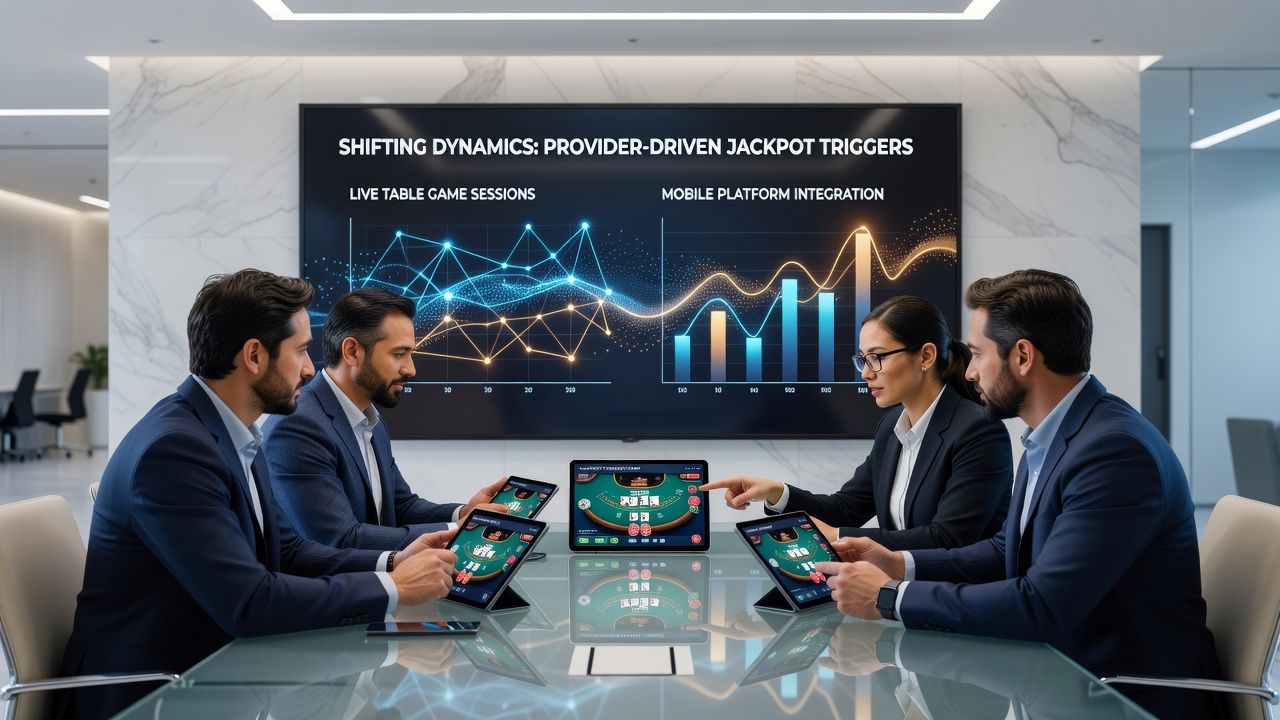
Impact on Player Behavior and Session Data
Analytics platforms tracking mobile live table activity report distinct patterns around provider-driven triggers, including spikes in bet volumes immediately before and after activation events. Research from academic sources at institutions like the University of Nevada's gaming studies program demonstrates correlations between trigger frequency and retention metrics across different device types. Those who've analyzed aggregated session data note that users on smartphones tend to respond more quickly to visual jackpot notifications than tablet users, possibly due to interface differences. By September 2026, updated datasets from several providers are expected to clarify whether these behaviors persist across seasonal variations in mobile traffic.
Provider Strategies and Platform Adaptations
Major software developers have adjusted their trigger algorithms to account for mobile-specific variables such as screen resolution and network stability, ensuring consistent performance regardless of connection quality. Industry organizations document cases where providers tested adaptive triggers that scale payout probabilities based on concurrent user numbers, a method that maintains system integrity during high-traffic periods. Observers note that these adaptations often involve collaboration with network operators to minimize disruptions, resulting in smoother integration of live streams with jackpot engines. The reality is that such technical refinements continue to reshape how sessions unfold on mobile devices, particularly in markets where live table offerings compete directly with slot-based alternatives.
Security protocols surrounding provider-driven systems include encryption standards applied to both trigger data and payout confirmations, reducing vulnerabilities associated with mobile data transmission. Reports from the Canadian Gaming Association highlight ongoing audits of these protocols to verify that mobile sessions meet the same integrity benchmarks as land-based equivalents. People who've reviewed compliance documentation find that providers frequently update their systems in response to emerging threats, which helps sustain trust in the overall framework. And yet the pace of these updates varies, with some developers prioritizing rapid deployment while others focus on extended testing cycles.
Conclusion
Provider-driven jackpot triggers continue to influence the structure of live table game sessions on mobile platforms through technical, regulatory, and behavioral channels. Available data from multiple regions demonstrate ongoing adaptations by providers and oversight bodies alike, with measurable effects on session dynamics and compliance practices. As mobile infrastructure advances, further shifts in trigger implementation appear likely based on patterns established through 2026.